
Search
How To Clean Your Stove
Five top tips to clean and maintain your wood burning stove post stove-season.
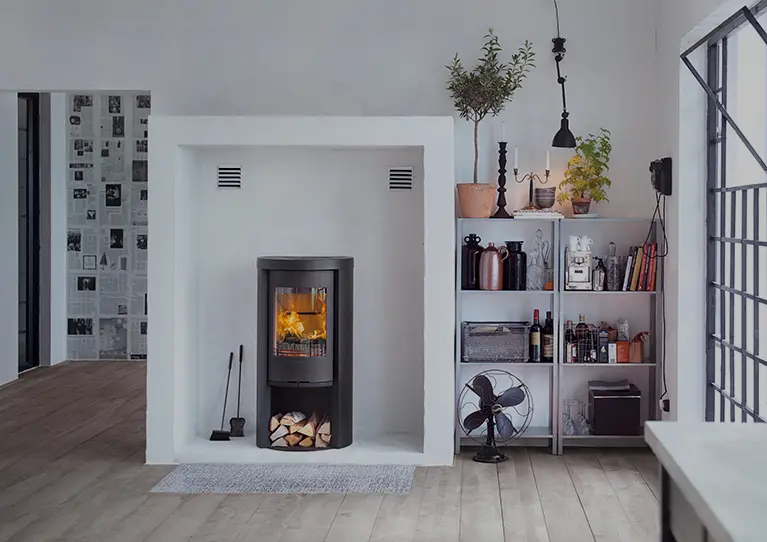
Can you smell burnt wood even when your stove isn’t lit? Is the fire burning poorly once ignited? Struggling with excessive smoke or blackened glass? These tell-tale signs mean it’s time to clean your stove.
Our very own stove expert – the aptly named - Phil Wood, says: “As with any appliance, a little care and regular maintenance will ensure your wood burning stove continues to work efficiently. And the good news is, there’s no need to go out and buy a selection of expensive cleaning products – the tried and tested ash and water method, combined with a little elbow grease, is all you really need to restore your stove to its originally sparkling state.
“If you find you’re struggling to keep your stove looking clean and burning efficiently, however, it’s important to look at why this keeps happening and how you can tackle this. One of the biggest issues is stove owners using the wrong fuel or burning it incorrectly, both of which can cause excessive smoke and a much grubbier looking stove.”
Read on for Phil’s five top tips for keeping your stove in great condition…
1. Do I need a specialist stove glass cleaner?
We don’t recommend stove glass cleaners as they can attack black paint and smear the glass. The best results for the clearest view to your warming flames is achieved simply by using a little damp kitchen roll or newspaper dipped in leftover ash from inside the fire chamber.
First thing’s first, make sure your stove is completely cool before attempting to clean it to avoid burns. Then, using a soft brush, remove any loose bits of debris from the glass door and surrounding area.
Moisten a piece of scrunched up newspaper or kitchen roll with water, dip it in leftover ashes inside the stove or in your ash bucket, and gently rub the glass in a circular motion. This is all you’ll need to easily and quickly remove any grime or soot stains, leaving crystal clear glass to enjoy the next fire.
2. Can a stove self-clean?
A high temperature and efficient burn when using the correct fuel will actually work to clean the chamber and the glass automatically, significantly reducing the need for any elbow grease on your part, so make sure you’re lighting the fire correctly and burning the right fuel.
3. Which wood should I burn?
‘Soft’ woods such as pines, firs and cypress, burn quickly and produce a lot of excess smoke, which can quickly blacken glass and cause tar build up in the chimney, so these are best avoided.
Instead, opt for a mixture of hardwood species such as ash, oak, beech or birch. These will burn for longer and create a brighter flame.
Make sure not to burn damp logs, which not only burn poorly, but give off lots of smoke and create more soot and tar deposits that can damage your stove. Go for fully seasoned or kiln dried wood with a moisture content below 20% for the most effective burn. The Woodsure ‘Ready to Burn’ label guarantees the correct moisture content if you’re purchasing logs from a store.
4. How do I minimise smoke?
Whilst not necessarily vital to maintaining a clean, working stove, a wood burner that isn’t being used efficiently will produce excessive smoke, wasting energy, creating unnecessary air pollution, risking a fire hazard, and causing inefficiency when it comes to heating your space.
It’s therefore important to consider how you’re using your stove. When lighting a fire, ensure that you thoroughly warm the stove and chimney chamber through first and then build up the fire from there. Overloading the fire in an attempt to create a roaring fire straight off the bat will generally cause lots of smoke.
It’s also worth using the ‘top-down’ lighting technique - placing firewood first and kindling and firelighter on the top - which generates less smoke and consequently, fewer emissions.
5. Annual MOT
No matter how well you take care of your stove, you still need to invest in a professional annual sweep to prevent build-up of tar and soot deposits. Pre- or post-stove season (spring or early autumn) are the best times to ensure availability of chimney sweeps. Look for a trained professional with HETAS and/or Sweep Safe accreditation who will also be able to conduct a thorough maintenance check.
Wood burning stoves and fireplaces from Contura
More stove-related pages
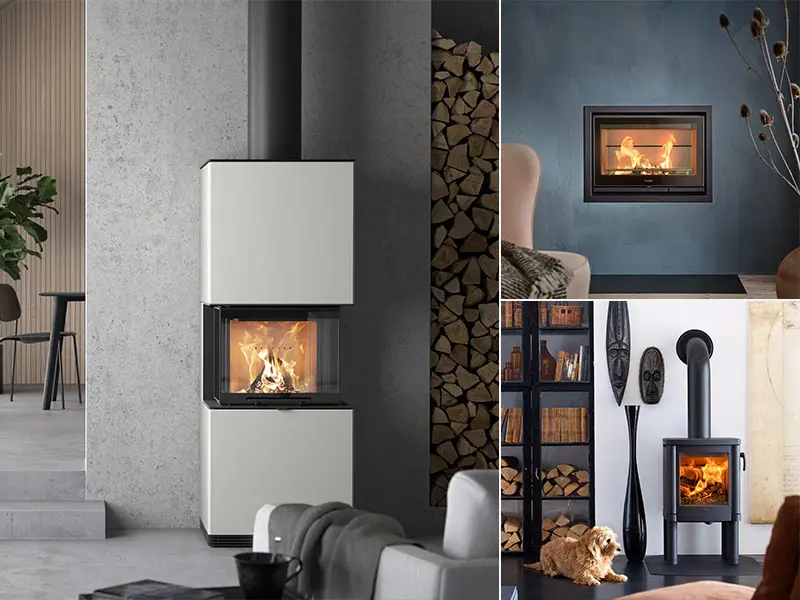
Wide range of Wood stoves and firepleaces
At Contura we have a wide range of wood burning stoves, fireplaces and inserts that fit all homes. Discover our wide range of stove models and find your favorite wood stove today.
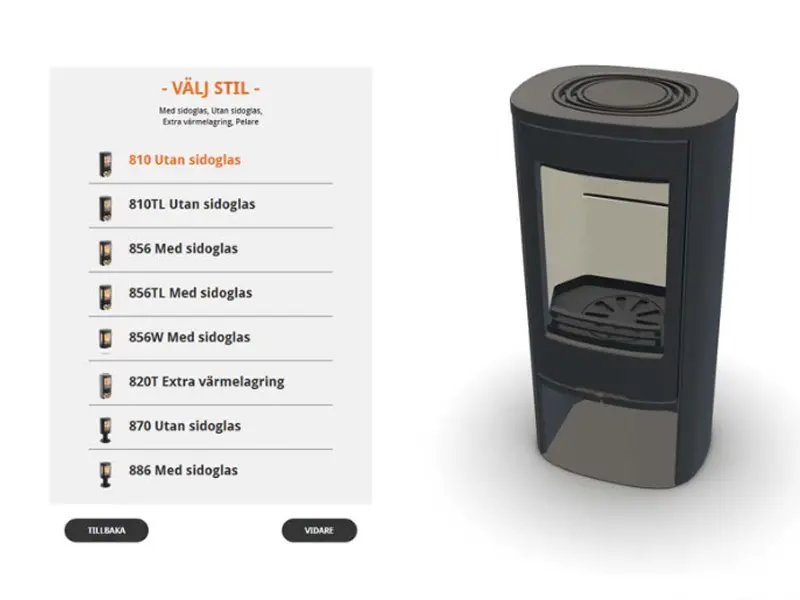
Build your stove
Build your stove gives you the opportunity to configure the look and choose accessories for your new wood stove or fireplace in 3D.

Find your nearest Contura dealer
At Contura we work with a large network of resellers over all of the UK – from small local dealers to larger dealer chains, from the south to the north.