
How to boost the heat output of your wood burner
When external temperatures drop, it can sometimes feel like your wood burner needs to work extra hard to keep your home warm and comfortable. While wood burning stoves are a highly effective and efficient heat source, their performance can be influenced by a range of factors — from the fuel you use to how the stove is operated and maintained.
The good news is that small adjustments can make a big difference. By optimising how your stove is used, you can increase heat output, improve efficiency, and enjoy longer-lasting warmth while making better use of your firewood. A well-run stove not only heats your space more effectively but also burns cleaner and more economically.
Below, we share our top ten practical tips to help you get the best performance from your wood burner, ensuring maximum heat output whilst temperatures remain low.
1. Use the right fuel
The heat output of your fire will be seriously compromised if you are not using firewood that has been sufficiently seasoned (two years is the ideal curing period for hardwoods) or properly dried.
For the most efficient burn - delivering maximum heat output and clean, bright, smoke-free flames - you should burn wood with a moisture content below 20%.
Kiln-dried wood, with a moisture content typically between 10–15%, provides the best and most consistent heat output.
It’s advisable to purchase firewood from accredited British suppliers displaying a Ready to Burn certification mark, which guarantees the correct moisture levels.
High-quality hardwood species such as ash, elm, birch, oak, or beech burn better, more slowly, and retain more heat than softer woods.
2. Use the correct amount of fuel
A roaring fire won’t always deliver the best heat. Large, yellow flames indicate rapid combustion, whereas a more controlled, glowing fire - with white or blue flames or red embers - will achieve higher temperatures and a more sustained heat output.
Avoid overfilling the fire chamber with too many logs. Depending on your stove model, when starting you fire, 2–3 logs or filling the chamber to around halfway is usually sufficient to allow good air circulation for the most efficient burn.
Overloading the fire can also increase the risk of damage to the appliance.
3. Manage airflow
You can regulate airflow by opening and closing the air vent on your wood burner. The vent should be fully open when lighting the fire, then gradually closed as the fire establishes and reaches its optimal temperature. This slows the burn while maintaining effective heat output.
The more open the vent, the greater the airflow — resulting in a faster, more intense fire and higher heat output. However, this will burn through firewood much more quickly, so it’s wise to regulate airflow carefully to avoid wasting fuel.
Be careful not to restrict airflow too early, as closing the vent before the fire is fully established will significantly reduce heat output.
4. Insulate your fire with an ash bed
Maintaining a shallow bed of ash (around 2–3 cm) in the fire chamber helps support the efficiency and performance of your stove.
The ash bed acts as insulation, reducing cold air from the base of the chamber and allowing the firebox to reach higher temperatures. It also helps reflect heat back up to the firewood, encouraging more complete combustion and sustained heat.
Take care not to let the ash bed become too deep, as excessive ash can block airflow from the stove’s vents and choke the fire.
5. Use a stove-top fan
Stove-top fans are powered by the heat rising from the stove and help redirect warmth outward into the room, ensuring more even and efficient heat distribution.
The hotter the stove, the faster the fan blades rotate, circulating more warm air and increasing the overall efficiency of your wood burner.
These heat-powered fans are widely available, affordable, and require no batteries or electricity, making them a cost-effective way to boost heat circulation from your wood burning stove.
6. Install a heat shield
Most modern freestanding stoves come with heat shields to protect surrounding surfaces. However, older stoves or those inset into non-combustible fireplaces may not have one installed.
Adding a heat shield can help protect walls while also redirecting heat - that would otherwise be absorbed by surrounding surfaces - back into the room.
Typically made from metal or other non-combustible materials such as ceramic tiles, a heat shield can also enhance the appearance of your space while improving heat output and protecting against heat damage.
7. Invest in a powerstone
Powerstones are heat-retaining stones designed to improve efficiency by absorbing heat and continuing to radiate warmth after the fire has burned out.
Depending on your stove model, a powerstone can be placed on top of or inside the stove, acting as a thermal battery. It absorbs heat while the fire is burning, then releases it slowly over time, providing more even heat distribution and warmth for hours after the flames have gone out.
8. Consider a soapstone stove
Alternatively, you may wish to consider a stove with a soapstone surround. Like powerstone, soapstone stores heat efficiently and has a long cooling time, allowing warmth to be distributed evenly for longer periods.
Its ability to retain heat makes soapstone an ideal natural material for stoves, remaining warm for hours without the need for constant refuelling.
9. Keep the stove clean and the chimney swept
A well-maintained stove and chimney ensures optimal performance, improves efficiency, and protects against fires or structural damage. An annual inspection is essential to identify and resolve any issues.
Start by cleaning out the firebox and emptying the ash pan, then use a torch to check for cracks or damage. Allow the stove to air for a few hours by opening the air inlets and leaving the door ajar — good air circulation supports the best possible combustion.
Engage a professional to ensure all stove components are functioning correctly. Faulty door gaskets or seals can allow unwanted air leaks that cool the fire. A chimney sweep will also remove soot and clear blockages such as nests, leaves, or debris that may affect efficiency and emissions.
10. Ensure you have the right size stove for your space
Choosing the correct stove size is essential. Both under and oversizing can be problematic: a stove that’s too powerful may overheat the room, while one that’s too small won’t generate enough warmth, leading to wasted fuel as you try to compensate.
As a general guide, a 5kW stove is suitable for an average living room of around 20m², while 6–7kW models are better for larger or open-plan spaces.
For best results, consult a specialist stove dealer or use an online calculator to determine the optimal output for the space you wish to heat.
Wood burning stoves and fireplaces from Contura
More stove-related pages
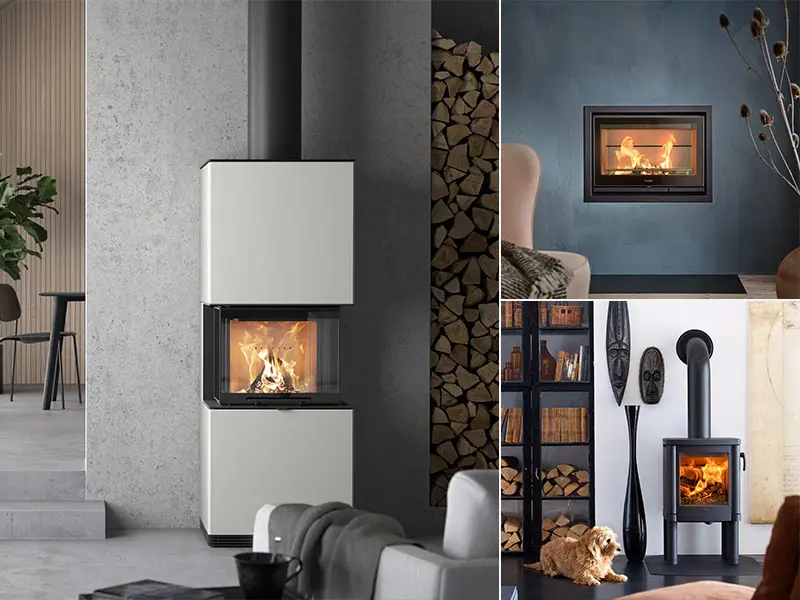
Wide range of Wood stoves and firepleaces
At Contura we have a wide range of wood burning stoves, fireplaces and inserts that fit all homes. Discover our wide range of stove models and find your favorite wood stove today.
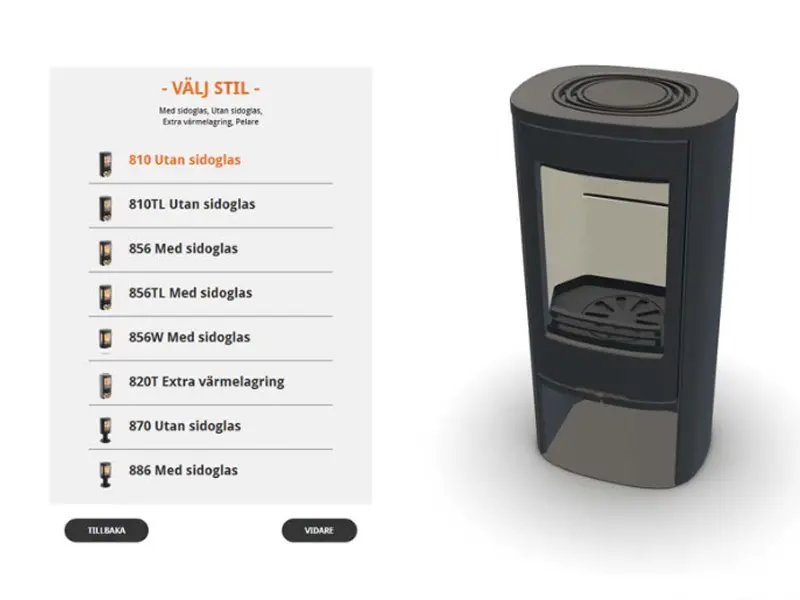
Build your stove
Build your stove gives you the opportunity to configure the look and choose accessories for your new wood stove or fireplace in 3D.

Find your nearest Contura dealer
At Contura we work with a large network of resellers over all of the UK – from small local dealers to larger dealer chains, from the south to the north.